Beyond the Scroll

In an Age of Noise, Experiences Speak Loudest

Millennials and Gen Z don’t just want to buy. They want to belong.

Gen Z and Millennials will make up 70% of the workforce by 2030. That means in the B2B market they are the audience, and they aren’t just looking for products or services. They’re looking for meaning. They are looking to be a part of something.

With social media ads and email promotions flooding us with options, we are paralyzed by choice. And the brands that win aren’t the ones shouting the loudest — they’re the ones creating moments that feel personal, immersive, and emotionally resonant.

That’s why experiential marketing isn’t just a tactic. It’s a trust-building engine.

The Overload Is Real — And It’s Driving Disconnection

We live in a world of infinite scrolls. But infinite choice doesn’t mean infinite engagement. It means decision fatigue. It means buyer’s remorse. It means audiences tuning out, not because they don’t care — but because they’re overwhelmed.

According to an Eventbrite/Harris Poll:

  • 65% of Gen Z and Millennials say they feel overwhelmed by digital advertising.
  • 76% of Millennials prefer to spend money on experiences instead of material goods.

So, when brands respond to saturation by posting more — more ads, more blogs, more promos — they’re not solving the problem. They’re adding to the noise — and it’s that noise that leads to annoyance and alienates prospects.

Behind the Screen: What Audiences Actually Crave

The digital world is highly saturated. Audiences crave connection. They want to feel something. They want to be part of something. They want experiences that linger, not just content that they scroll past. It’s not just what we buy. It’s how it makes us feel in the moment that lingers.

That’s why B2B buyers are increasingly choosing vendors who deliver memorable brand experiences. Not just information. Not just polish. But moments that feel real.

Per Gitnux, 84% of B2B buyers say their experience with a company is as important as its products or services.

Experience Is the New Differentiator — And the Data Proves It

Experiential marketing — immersive, interactive brand moments — isn’t just a trend. It’s a proven strategy for building trust, loyalty, and conversion. And the numbers are compelling:

  • 91% of consumers are more likely to shop with brands they engage with through experiential marketing.
  • 74% are likely to become repeat buyers after a positive brand experience.
  • 85% are more inclined to buy after attending a live marketing event.
  • 40% say experiential marketing increases brand loyalty.
  • 70% become repeat customers after experiencing a brand.
  • 79% of marketers report revenue growth through experiential marketing.

When people feel something, they remember it. They act on it. That’s how loyalty is created — by giving your audience an experience they actually feel.

When you earn trust through a standout event or show, and follow it up with consistent, meaningful engagement, you don’t just capture attention — you build connection. And that connection quiets the noise of other options. It makes your brand the one they remember, the one they return to, and the one they choose over the competition.


How to Choose the Right Experience —

Event planners and experiential marketers want actionable guidance. Here’s how to decide which format fits your goals:

Live Events:
Best for building deep relationships, hands-on demos, and networking. Use live when personal connection, energy, and immersion are critical. Examples: Leadership summits, product launches, VIP roundtables.

Digital Broadcasts:
Ideal for reaching large, dispersed audiences quickly and cost-effectively. Use digital for thought leadership, training, or when scale matters most. Examples: Webinars, virtual conferences, online product demos.

Hybrid Experiences:
Combine reach and intimacy. Use hybrid when you want both in-person energy and digital accessibility. Examples: Industry expos with live and streamed sessions, interactive workshops with remote and onsite participants.

Ask: What outcome do you want for attendees? Connection, learning, action? Let that guide your format.

Designing for Outcomes — What Will Attendees Take Home?

Don’t just plan sessions — plan impact. The real measure of success isn’t what happens during the event, but what attendees do or feel afterward.

  • Will they share a story about your brand?
  • Will they try a new tool or approach?
  • Will they connect with peers or become advocates?

Build your experience around these goals. Every touchpoint should move attendees toward a meaningful action or lasting memory.


  1. Design for Emotion, Not Just Information

Information is everywhere. Emotion is rare. Experiences that evoke curiosity, surprise, or create connections are the ones that stick. Think: interactive demos, hybrid events, behind-the-scenes storytelling. It’s your business’ authenticity that will stick with these generations. Create trust with vulnerability and honesty — not polished, empty rhetoric.

Tip:
Define what “feel” means for your brand. Is it excitement, belonging, inspiration? Use real-world examples: A live demo that sparks curiosity, a hybrid event that fosters community, or a digital broadcast that inspires action.

  1. Use Experiences That Move People to Choose You

Events aren’t just awareness plays — they’re conversion tools.

  • 75% of attendees feel more connected to a brand after an in-person experience.
  • 67% of consumers bought products directly from brand experiences.
  • Event-based marketing increases lead generation by 32%.

Whether it’s a webinar, studio broadcast, or live activation, the goal is the same: move prospects from curiosity to commitment.

  1. Build Trust Through Immersion

Trust isn’t built through ads; it’s built through shared moments.

  • 88% of consumers trust brands that deliver positive experiences.
  • 91% say experiential marketing improves their perception of a brand.

When people feel seen, heard, and engaged — they trust. And trust is the foundation of loyalty.
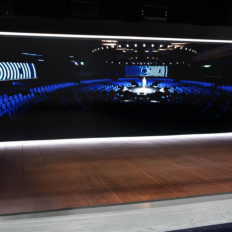
How Cramer Helps Brands Create Experiences That Convert

At Cramer, we don’t just produce content — we engineer experiences. With our Studio Model capable of on-site and on-the-road events, live production, and broadcasts; from in-person to hybrid, we help B2B brands move beyond the scroll.

Our work is designed to:

  • Stop the scroll with immersive visuals and storytelling
  • Build trust through real-time interaction and authenticity
  • Drive Engagement by turning passive viewers into active participants — and from there, conversions

Because when someone experiences your brand — not just sees it — they remember it. They share it. They buy from it.

The Call to Experience

The scroll is infinite, attention is fleeting, but experiences linger. Your mind takes you back to them. A memory of is stronger than a bookmarked tab or saved email. If B2B brands want to win trust, loyalty, and conversion, they need to shift from “post and pray” to “experience and care.” So, ask yourself — not “What jargon should we post?”, but “What experiences can we create that makes someone feel something?” and from there, not “what sessions should we schedule?”, but “what action will attendees take home?”


Have a project in mind?