The Generational Learning Myth and The Real Disconnect

How Experiential Learning Bridges Generations

Today’s workforce spans four generations, and the real challenge for organizations isn’t simply educating everyone at once — it’s identifying learning models capable of supporting all generations simultaneously. Experiential learning offers the clearest path forward: it bridges multi‑generational gaps not just by bringing people together, but by acknowledging their differences and intentionally designing experiences that foster meaningful, lasting development for every audience.

In short, experiential learning is the only model agile enough to meet every generation where they are — creating one unified learning ecosystem that can works across generational preferences and behaviors.

Why Generations Struggle with Learning Isn’t About Age — It’s About Experience.

With four generations working side by side, they each bring distinct expectations, communication styles, motivations, and relationships with technology — yet they’re all being asked to do the same thing: learn faster, adapt faster, and perform faster.

In today’s workplaces, traditional learning formats weren’t built for that reality. Decks, lectures, and live‑streamed presentations can’t keep pace with the complexity of modern work or the diversity of the people doing it. But the issue isn’t generational friction — it’s learning design. When learning is passive or disconnected from real behavior, no generation thrives. When it becomes experiential — when people practice, collaborate, and apply — every generation advances. Experiential learning becomes the great equalizer: the shared space where capability grows and the workforce moves forward together.

The Generational Myth — And the Real Opportunity

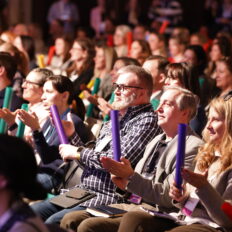
When it comes to the event space, strategy and design must be at the forefront. You have your audience in the space — perfect— but the next step is vital. How do you captivate them? The overarching truth that matters: No generation wants to sit through a deck, but every generation wants to experience learning, not consume it.

The thing to consider is that each generation brings distinct tendencies to the workplace:

  • Gen Z expects personalization, relevance, and tech‑forward learning.
  • Millennials value connection, growth, and practical application.
  • Gen X wants efficient, self‑directed, no‑nonsense learning.
  • Boomers appreciate structure, clarity, and opportunities to share expertise.

The real generational difference isn’t about what each group likes, but rather where there is significant overlap in values, such as relevance, connection, clarity, and practical application. The real difference — the nuance most learning strategies ignore — lies in this: Each generation prioritizes the learning medium differently.

All generations value digital, collaborative, and experiential content — but the order in which they prefer these formats varies. By understanding how each generation learns, we can then focus on where they overlap. It’s in that shared space that strategies and content can be developed to best reach the intended audience.

For example, if the keynote is the anchor of the event, how do we position it in a way that resonates with each generation?

Gen Z

Expects tech‑forward, personalized content — without it, trust drops.


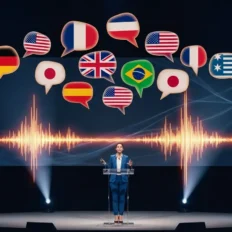
To activate this: The keynote should deliver real‑time AI summaries, interactive polls, or personalized content paths they can access immediately after the session.

Millennials

Want the purpose behind the design — the why behind the medium.


To activate this: The keynote should open by clearly articulating its purpose and follow up with practical, story‑driven resources that reinforce the “why” behind the message.

Gen X

Will adopt anything — as long as it’s efficient and is frictionless.


To activate this: The keynote should provide concise, no‑nonsense takeaways with an easy, streamlined follow‑up toolkit they can use without extra steps or logins.

Boomers

Value clear, trustworthy, and familiar content that feels reliable and respectful.


To activate this: The keynote should offer a structured message and follow up with a clear, well‑organized guide or video walkthrough in a familiar format.

In Part II, we’ll move from insight to implementation — breaking down exactly how to build a learning ecosystem that works for every generation.

With Zillennials (Millennials and Gen Z) projected to make up 70% of the workforce by 2030, prioritizing their habits and preferences is essential when designing effective learning and development strategies.

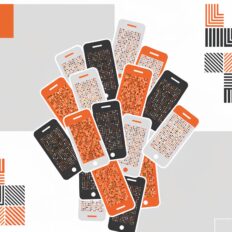
Per Cramer’s generational research report, The Perspective Series, when it comes to consuming media, 55% of Zillennial’s say podcasts have been useful for work context aligning with the overarching theme of a flexible, self-paced, narrative type of learning. Furthermore, 56% of Zillennials want AI to provide real-time session summaries, a proof point on the desire for “immediate relevance” and tech-enabled processing.

Understanding this prioritization is critical. For instance, if your learning strategy assumes all generations prefer the same modality—or worse, that each requires a totally separate approach—your programs will always underperform.

Where the Generations Converge: Four Outcomes Every Modern Learning Strategy Must Deliver

Regardless of age or background, the most effective learning ecosystems align to four universal outcomes. These outcomes matter across each generation and are pivotal to their identity.

1. Establishing Belonging Through Community

Belonging is the fuel of performance. When employees feel connected to a shared mission, they learn faster, collaborate more openly, and take ownership of their growth—taking pride in their work and the organization itself.

Belonging doesn’t come from shared content—it comes from shared experience.

2. Building Professional Confidence

People perform better when they understand how their work ladders into strategy. With confidence comes the ability to make good judgments and quick decisions, strengthening organizational prowess —it’s confidence in context.

This requires immersion, not memorization.

3. Cater to & Advance Consumer‑Oriented Strategic Acuity

Every employee is being asked to think more critically, anticipate needs, and make smarter decisions. Mindset cannot be taught through slides—it must be experienced. The goal: to build teams that instinctively lead with the end user first, shaping decisions around what creates the most value for the customer.

4. Advancing and Merging Skills in AI with Human Social Intelligence

We’re in an era where every generation, regardless of background, must learn to blend AI tools and digital fluency with human communication, empathy, and judgment, bridging the gap between productivity and authenticity.

Understanding the Gap and Catering to It

Generational differences matter — but not in the way most organizations assume.
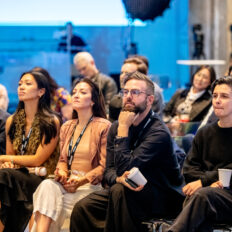
The real opportunity lies in understanding how each generation prioritizes learning mediums and where each of their preferences overlap. The clear bridge that navigated this gap is experiential learning. The flexibility that this modality provides is a model that can mold to each attendee, meeting everyone’s needs, preferences, and structure, while establishing community around your brand.

Looking to advance the effectiveness of your learning programs? Connect with Cramer to start shaping more engaging, multi‑generational experiences.


Data sourced from Cramer’s proprietary generational research which analyzes individuals across a spectrum of industries, exploring how different generations participate, communicate, and act, both in the workforce and online. It blends quantitative research with cultural foresight and digital behavior analysis and is designed to help marketers and brand experience leaders engage a diverse workforce.


Have a project in mind?