From Insight to Implementation: Building the Multi‑Generational Learning Ecosystem
Organizations leading the future aren’t relying on one‑off events or content dumps; they’re creating event driven learning ecosystems that blend immersive experiences, digital reinforcement, reflective practice, and measurable behavior change.
Today’s rising workforce is showing us exactly what they expect from learning environments through how they research. While 75% of research is still done via Google search, we see those numbers quickly changing as younger generations begin to dominate the workforce. According to Cramer’s generational research report, The Perspective Series, an increasing number of Gen Z and Millennials have turned to other platforms for learning and research.
Per the report, 48% have turned to AI assistants (ChatGPT, Copilot, Claude, etc.), 40% to YouTube, and 32% prefer short, entertaining videos. The common thread is that this generation gravitates toward learning that feels human and experiential — whether through conversational feedback, quick personalized answers, or a visual, sensory layer that makes information easier to absorb in real time.
When it comes to learning, 55% of the Millennial-Gen Z cohort says podcasts are useful for workplace development, and 56% want AI to deliver real-time session summaries. The message is clear: learning strategies must evolve beyond static decks toward more immersive, digestible, and memorable experiences.
They’re drawn to immersive tech (41%), wellness activations (45%), and F&B-driven moments (45%), and they rank skills-based training as the top priority for the future of work.
These aren’t passing preferences — they signal a shift toward live, socially driven engagement. Experiential learning ecosystems are no longer optional; they’re the model most aligned with how today’s workforce learns.
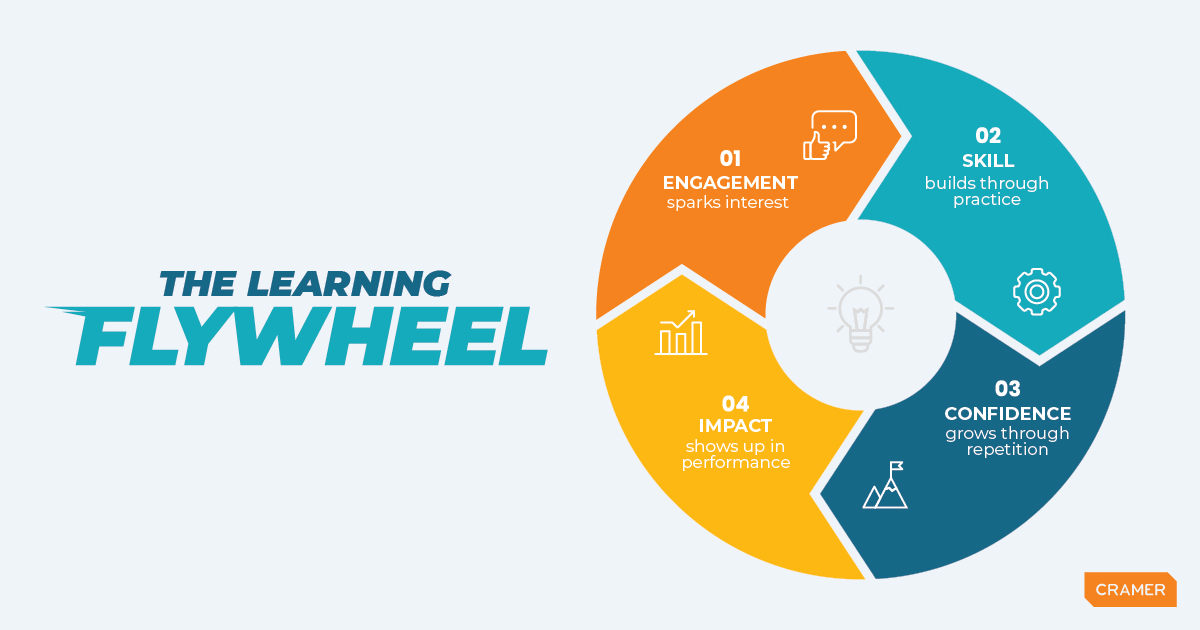
Below is what that ecosystem looks like — and how to design it for a multigenerational audience.