The UNBOUND Breakdown: What 13,000 People Showed Us

Six of us spent three days watching the room instead of the stage. Here's what we learned, and how to get the rest.

In August, we called HubSpot’s UNBOUND agenda a behavioral experiment dressed up as a rebrand. A new name, a rebuilt floor, and a session catalog that leaned toward hands-on learning over keynote spectacle. The bet was that all of it could change what 13,000 people did once they got to Boston. We promised a scorecard.

So we went. Six of us of us over the three-day period. Observing every stage and space we could get into — capturing everything from front door to show floor, doing the one thing nobody at a conference is supposed to do; sit in the back and watch the audience: Where people walked. What they lined up for. When they leaned in, and when they left.

First, the respect it’s due: Putting 13,000 people in one building and giving them three good days is one of the hardest jobs in our business — and HubSpot did it, filling it with ideas worth borrowing. We plan events for a living, so when someone does this at this scale, we show up with a notebook.

The Short Version: Where HubSpot redesigned the room, the bet paid off. Where the event leaned on news, it had less to work with.
The Floor Made the Case for the New Name

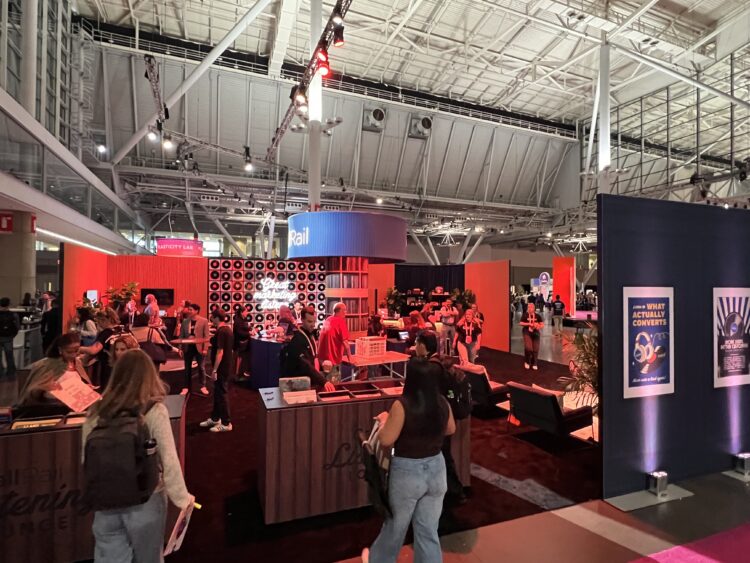
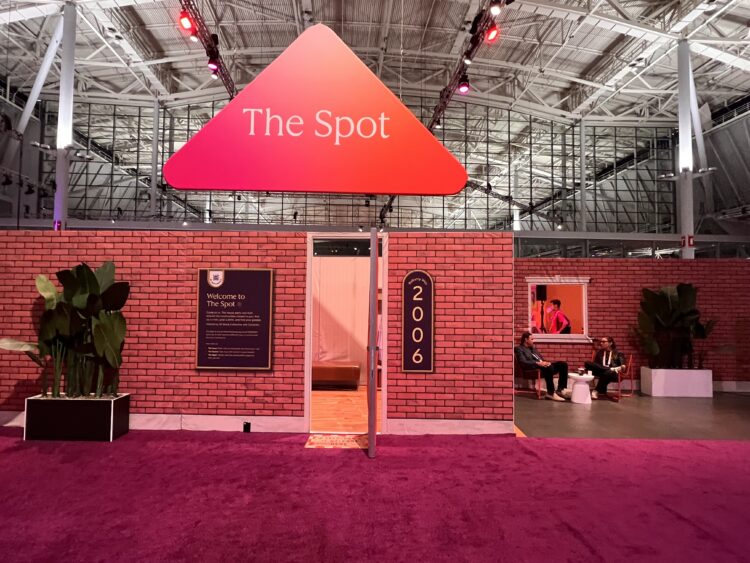
With 13,000 attendees at the venue, HubSpot somehow was able to capture a small neighborhood feel. Three avenues curved around a central ring, everything set at an angle to the hall, with stages spread across the floor instead of funneling every moment back to one Main Stage. This groundwork led the way in creating an environment designed for interaction.

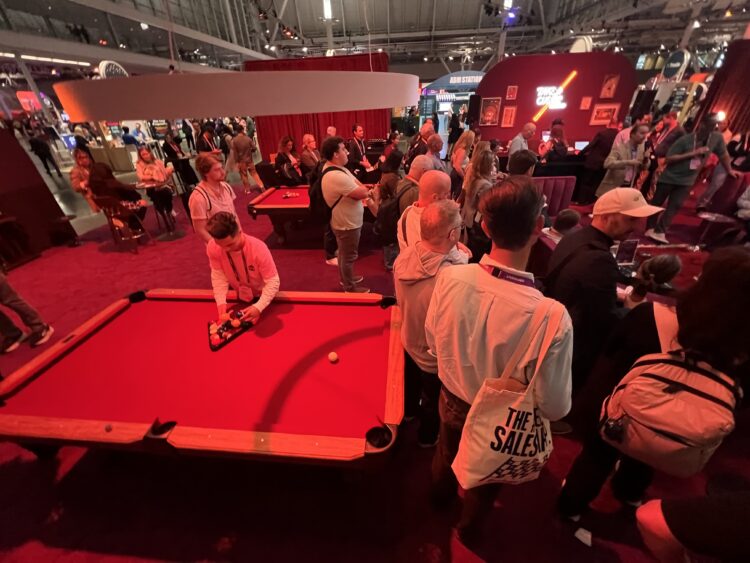
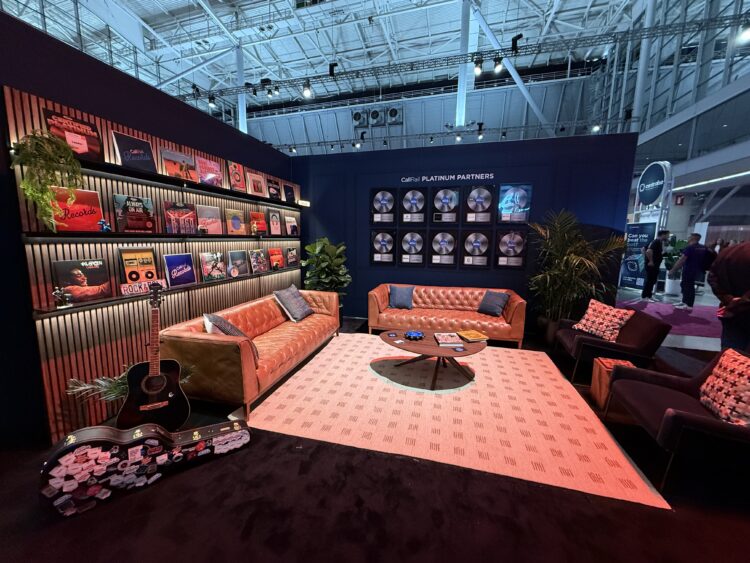
The activations did the same thing room by room. From a 90s electronics store to a billiards hall. From a house party activation to a record shop. This design played into a home-like aesthetic, creating a comfortable vibe, which bred inclusion and cohesion — leading to organic networking across the show floor. On top of that, a basketball shoot out booth was set in the rear of the room, and one of the most popular activations, a slime lab, had a line all three days.

Each activation borrowed a room people already know how to use. Nobody needed a sign to figure out a pool table because the best instructions at UNBOUND were the ones nobody had to write. The spaces that worked hardest gave people something to do with their hands, and someone to hand it to them. The pool table had a person re-racking it. People left the CallRail record shop with an actual record and got asked about it all afternoon. The best booth follow-up we saw all week was tucked under someone’s arm.
Even the entrance earned its keep, featuring oversized “UNBOUND” letters which became the photo spot of the show. They worked so well that people stopped inside the gate instead of walking through it. A door people stop at is a door people remember.

The Sessions Did What the Keynote Couldn’t

The breakouts that landed had one thing in common: speakers who talked about the audience’s work, not the platform. Two Thursday sessions, one on marketing strategy and one on LinkedIn content, felt like a peer across the table. With no feature tour or product tie-in, they drew more energy and attention than the Main Stage keynotes. The takeaway: people want to learn from someone who has done the job, talking to people who do the job.

The audience voted with their feet: smallest rooms filling first, and the Labs and Unplugged Studio being nearly full throughout the event. People want the small room, and that’s worth planning around.

The Keynote Had Updates but Needed a Headline

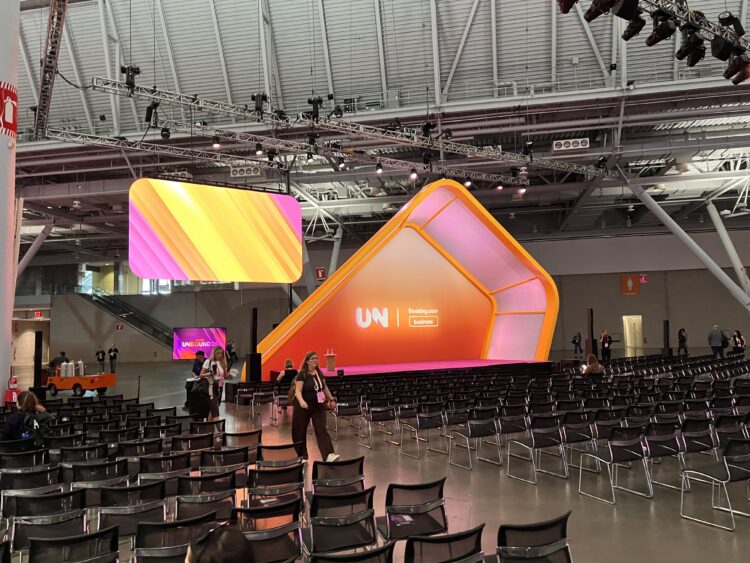
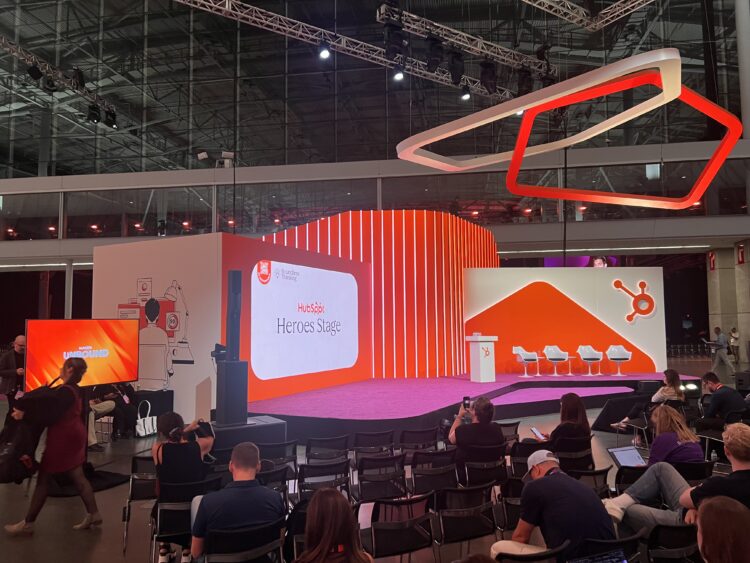
Th Main Stage did what it always does, walking everyone through what shipped and what’s next. And plenty shipped. A self-updating CRM, a rebuilt AI assistant, new hubs for marketing and revenue work. However, what the keynote didn’t have was one moment built to be remembered past the parking garage. To be fair, that’s not a staging problem. You can’t produce a surprise you don’t have.

The name promised a break from the old rules, and the floor delivered it. The Main Stage outside of the keynote and “entertainment” speakers felt like it was still waiting for its moment.

The Hiccups, Candidly

A few things got in the way, and every one of them is the kind of thing that happens when your event has 13,000 people.
Day-one registration ran long with many people still in line while the opening keynote kicked off. The schedule was tight: 11 of 21 Main Stage sessions ended the minute another began, so people started leaving in the last five minutes to make the next one. And Unplugged Studio, one of the best ideas on the floor, had walls that stopped at eight feet next to two loud stages. The presenters went hoarse.
None of these are failures of effort. They’re failures of physics, and they’re all fixable heading into next year.

Three Lessons We’re Taking Home

There are seven more.
Want the full audit?
The complete UNBOUND report covers every session and space we scored across all three days, how the floor plan shaped where people went, all ten lessons, and six things we’d test at the next event. It’s a sample, not a census, because nobody sees all 296 sessions. But it’s a close look at how a crowd this size actually behaves.
It’s free to anyone who asks. Email theteam@cramer.com.
To the team that built UNBOUND: thank you. You gave us a lot.

Have a project in mind?