Design, Video, Production,

ADLM `26: Seen Before You Enter

A BOOTH BY LOCATION, AN EXPERIENCE BY DESIGN

Siemens Healthineers set out to preview their next-generation diagnostics device on the ADLM (Association for Diagnostics & Laboratory Medicine) trade show floor. The experience needed a booth that would pull attention across the expo-floor, hold it long enough to matter, and move people through fast enough to keep the floor working.

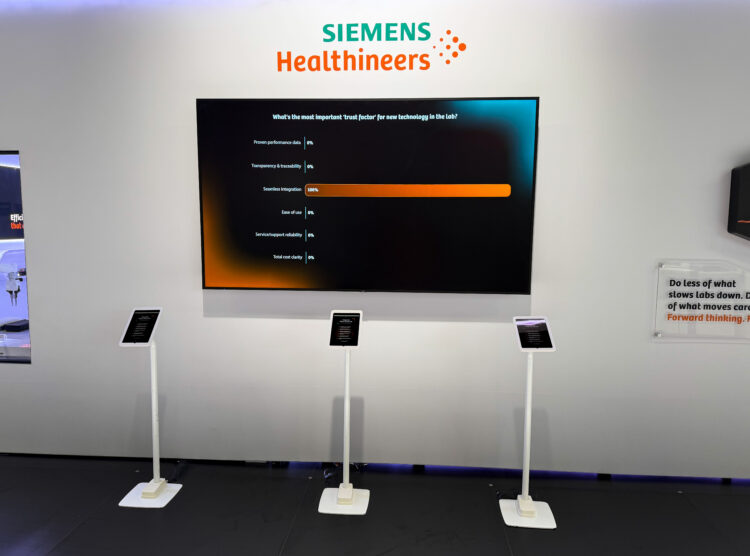
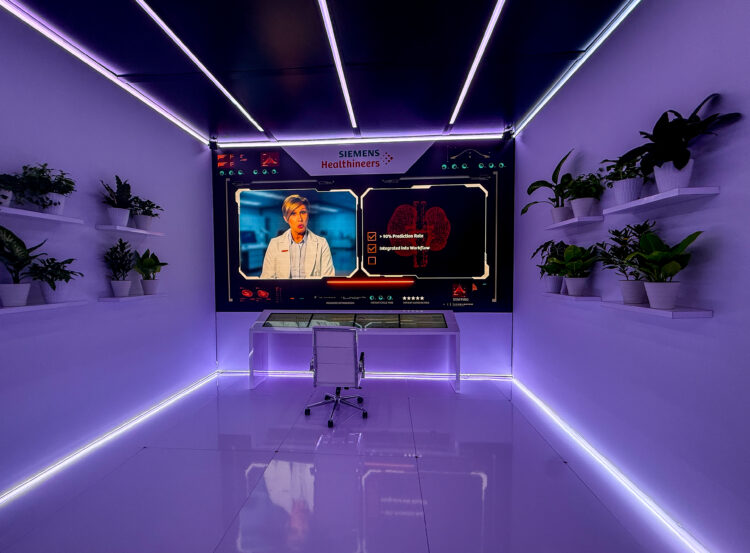
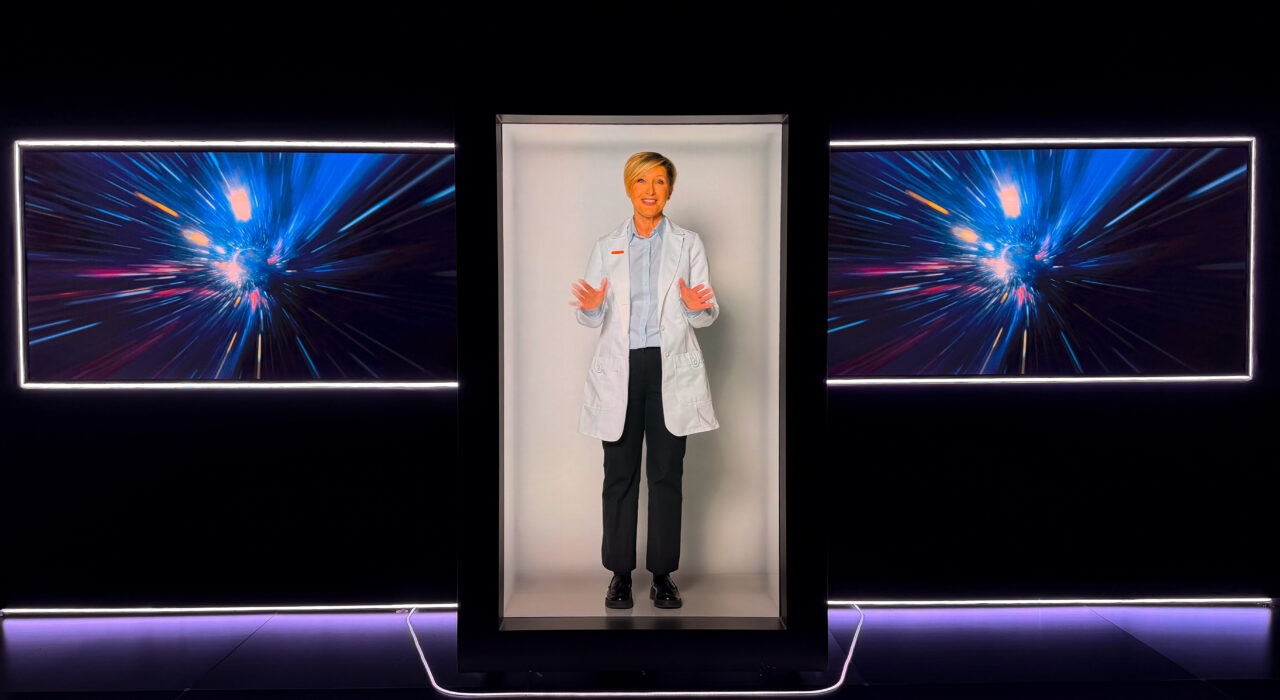
Cramer led experience design, video production, and on-site engineering for the activation: a translucent LED-wrapped Innovation Hub built around a single hologram host who carried visitors through four connected rooms, each staged around one product reveal.

The Challenge

Draw attention on a floor built entirely around distraction — and turn that attention into real, one-on-one conversations once the experience ends.

For years, Cramer has helped shape the concept and style of Siemens Healthineers’ ADLM presence — open-air booths built for people to walk in and out of freely. This year, our partner wanted something different: a booth concept that separated visitors from the show floor entirely, so stepping inside felt like a new room rather than another stop along the aisle — something visitors would notice, remember afterward, and move through in a way that inspired them to spend time afterward in one-on-one engagements with experts.

The stakes were real: a next-generation device reveal not yet made public on a floor shared with three direct competitors chasing the same attention, and with that came a clear directive to keep visitors moving through the full experience before opening the floor to one-on-one conversations with experts. On top of that, the physical build called for construction typically reserved for permanent structures — earthquake-rated rigging, HVAC, emergency egress — on a compressed production runway, with final assets due days ahead of load-in.

The booth needed to function as one continuous sequence — draw people in, orient them, walk them through a device demo, and move them out the other side — without ever feeling like four separate rooms stitched together.

Cramer designed the booth as a single connected journey through our design-concept methodology.

1. Own the Experience Design, Not Just the Content

Cramer joined Siemens Healthineers early to help shape the concept and mood of each room — not just fill screens after the fact. Those sessions informed the blueprints Siemens Healthineers’ fabricator built to, translating that direction into the physical materials and structure.

2. A Wall That Drew the Floor In Before Anyone Stepped Inside

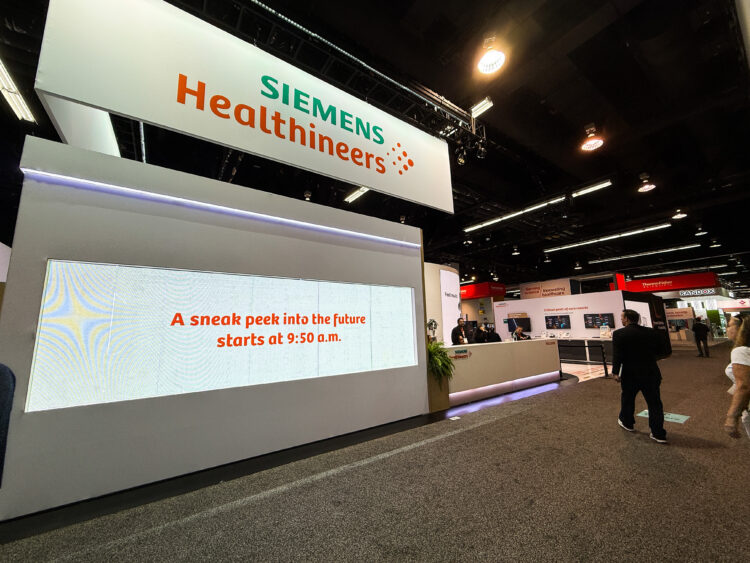
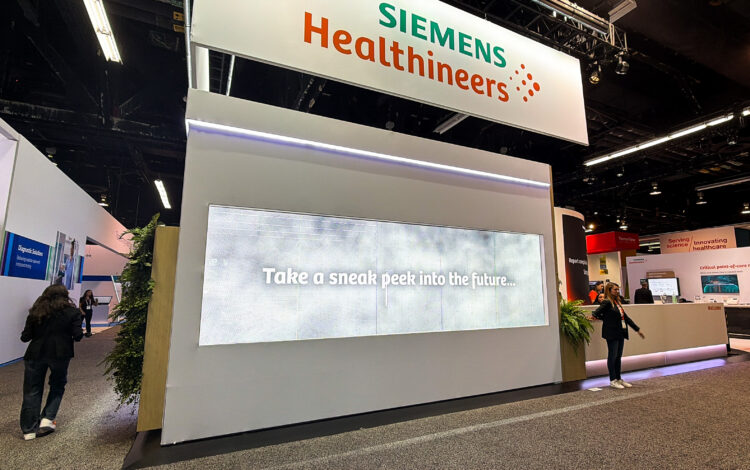
A translucent LED wall — a technology still absent from commercial installation outside trade-floor showcases like CES — shifted from fully opaque to fully transparent, giving passersby a glimpse of the device before they joined a line, creating an exclusive experience of the product’s premiere, amplifying curiosity and intrigue.

3. One Host, Four Rooms, One Continuous Story

A single hologram host, built once and deployed across all four rooms, carried visitors from an interactive opening sequence through three consecutive device demos — a deliberate bet that continuity and storyline, not asset volume, would carry the experience.

4. A Story Told in Sequence, With Room to Talk at the End

Cramer drew on the pacing of a themed attraction — the story told in sequence, room by room — before releasing visitors into a final moment built for reflection and conversation. Visitors moved through the four connected rooms at a steady pace, absorbing the story piece by piece, before reaching the space designed for the one-on-one conversations with experts that the earlier rooms were building toward.

5. On-Site Ownership

As always, Cramer’s producer traveled on-site — in this case to Anaheim — to support rehearsals and confirm the experience held at full scale before doors opened. Siemens Healthineers praised the Cramer team for being the glue that kept the experience firing on all cylinders.
The Results

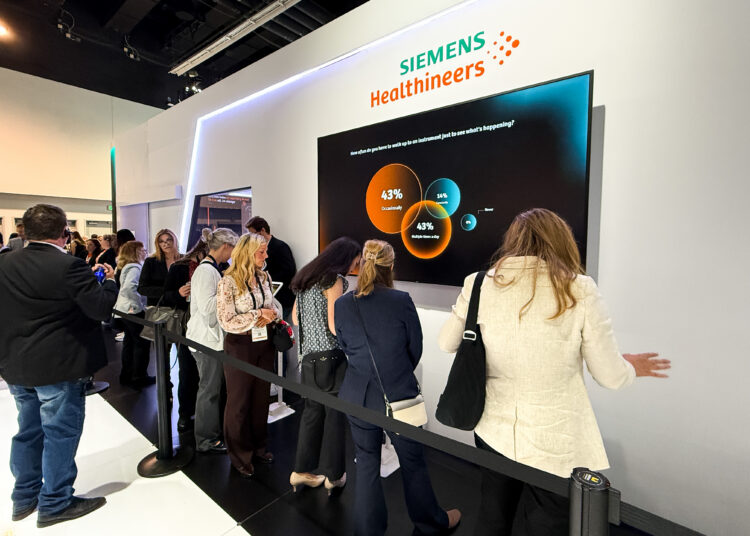
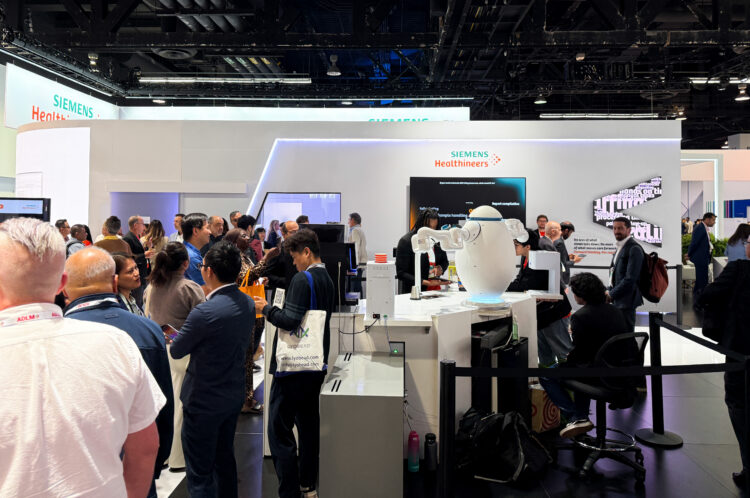
Throughout the 3 days, hundreds of people moved through the Innovation Hub — proof the design worked before anyone said a word.

The Innovation Hub drew a steady stream of visitors across all three days, with the heaviest traffic on opening day and a strong showing through day two before tapering during the half-day close. Siemens Healthineers had its tour schedule booked solid before the show even opened — a mix of customers, investors, and its own employees — and still made room for same-day walk-in slots that filled almost as fast.

The design of the booth is what earned that turnout. The translucent LED wall stopped people at the booth’s entrance, igniting curiosity through a glimpse of what was inside the activation. The robot barista did even more work, spotlighting the events organic “shareable moment” that became a highlight for ADLM and further elevated the Siemens Healthineers brand.

The clients’ complimentary words after the show centered on execution — the team’s constant presence on the floor, its attention to detail, and its ability to keep the experience running at full capacity without ever letting the schedule slip.

What’s Next

This activation is shaping how Cramer approaches experience-led trade show work going forward.

It’s pushing Cramer to bring experience design into a client’s launch calendar earlier, to look for more places the translucent LED and hologram-host system could apply, and to stay on-site as a partner beyond video delivery — through rehearsal, load-in, and the floor itself.

At Cramer, we don’t just fill the booth, we architect the experience visitors feel before they walk in.

Want to see more?